
At Sinai, there was thunder.
There was fire. There was smoke rising from the mountain, a sound like a great shofar growing louder and louder, and a voice so overwhelming that our ancestors said: we cannot hear this and live.
That is the Sinai story. Overwhelming. Cosmic. The moment God spoke and Israel became a people.
But Shavuot holds another story — quieter, more intimate, and in some ways more radical.
It is the story of a woman standing at a crossroads, with every reason in the world to turn back, who chose to stay.
Ruth and the Choice That Changed Everything
Megillat Ruth — the Book of Ruth — is read on Shavuot. And if you've never stopped to wonder why, here is the answer: Ruth is Shavuot's hidden heart.
Ruth was a Moabite woman. She had married into a Jewish family who had come to Moab as refugees from famine in Judah. When her husband died, she was left a widow in her own country — free to return to her family, her people, her gods. Her mother-in-law Naomi, herself widowed, urged her to go back. Return to your people. Build a new life.
Ruth refused.
Her words are among the most famous in all of Jewish literature:
"Where you go, I will go. Where you lodge, I will lodge. Your people shall be my people, and your God my God."
Five words that changed everything: Your people shall be my people.
Not a command. Not a birthright. A choice.
The Sinai Beneath the Sinai
The Talmud teaches that when the Torah was given at Sinai, it was offered to every nation on earth — and every nation refused, unwilling to accept its demands. Israel said yes.
Ruth's declaration is Sinai in miniature. It is a single human being choosing to receive what is being offered — not because she had to, but because something in her recognized it as true.
This, perhaps, is why the rabbis placed her story on Shavuot. Because receiving Torah is not a one-time historical event. It is something that happens every time a person chooses — deliberately, freely, at personal cost — to say: this is my people. This is where I belong.
On Belonging
There is a kind of belonging that comes by birth. And there is a kind that comes by choice.
Both are real. Both are Jewish. But the second kind has a particular weight to it — the weight of something freely given, not simply inherited.
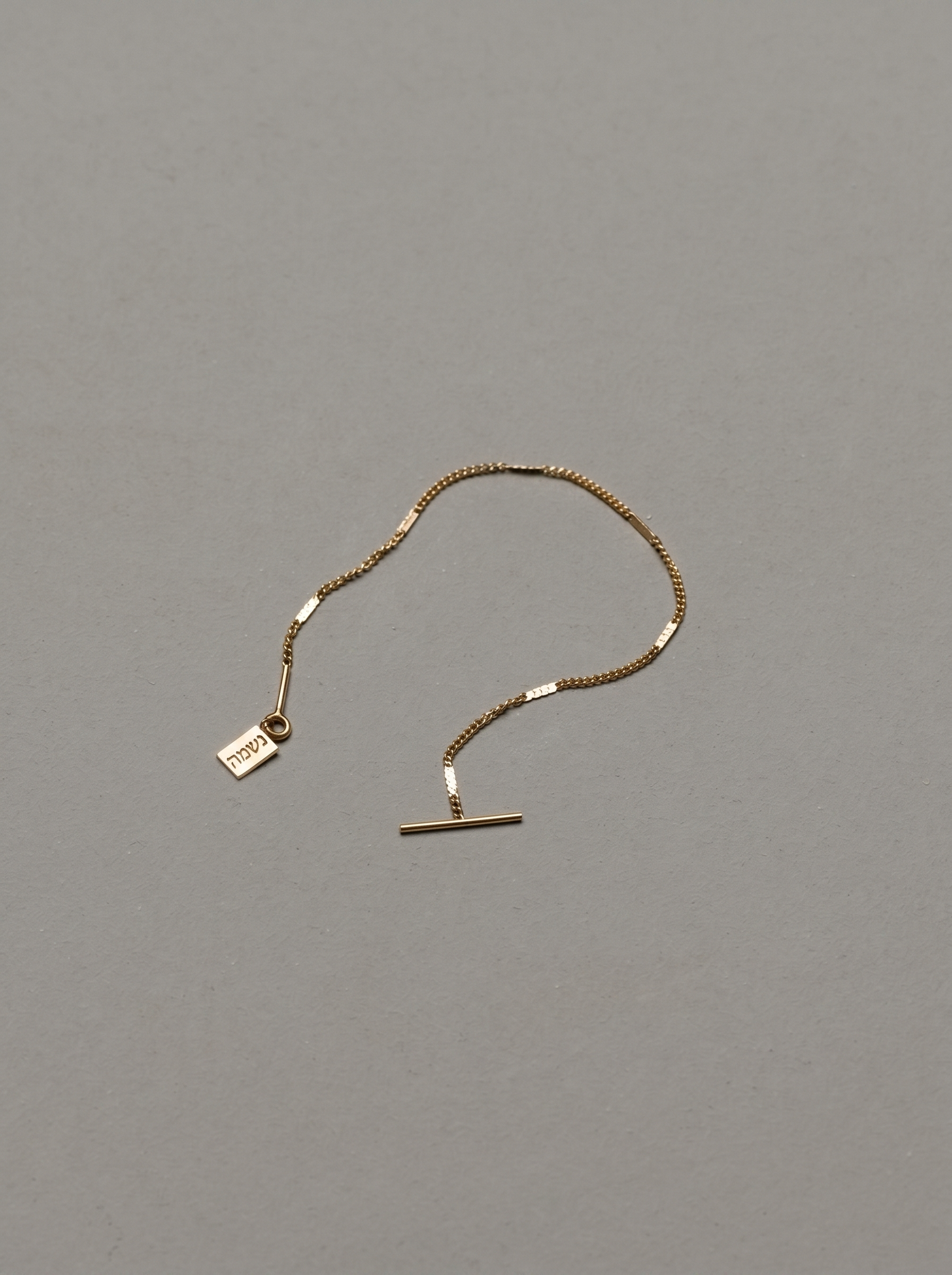
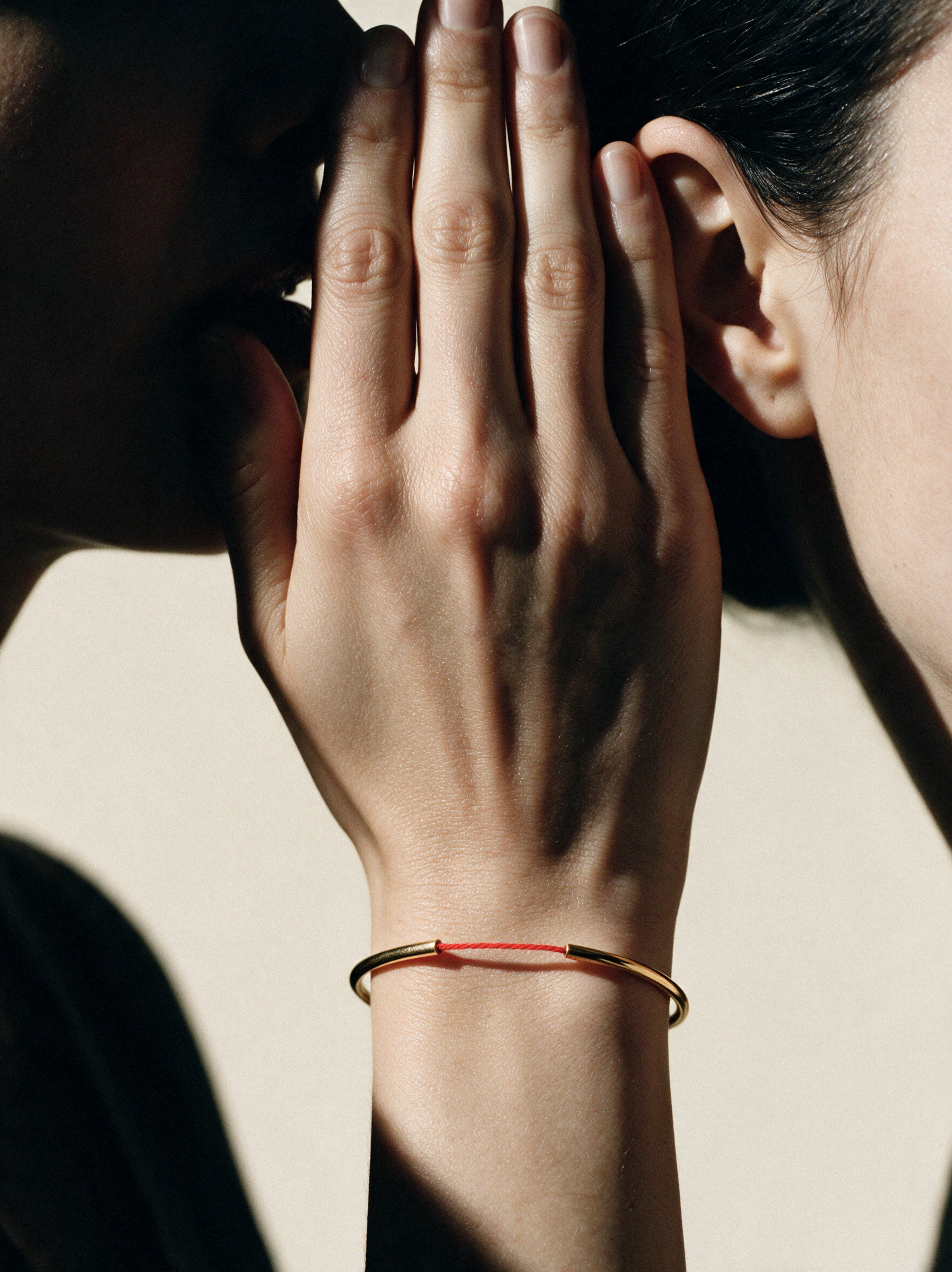
The Oriya Mishpoche is built on exactly this. People who wear Oriya are not just wearing jewelry. They are making a small, daily declaration: I carry this with me. This is part of who I am.
Not because they had to. Because they chose to.
That is Ruth's inheritance.
This Shavuot
Shavuot begins at sundown on Thursday, May 21st. It is a festival that, on the surface, asks very little of us — no fasting, no specific ritual object, no extended ceremony. Just presence. Just openness. Just the willingness to receive.
And perhaps that is the most challenging ask of all.
This year, as you light the candles and eat the cheesecake and stay up a little later than you planned, consider Ruth. Consider what it cost her to say those five words. Consider what you have chosen — not inherited, not stumbled into, but freely, quietly chosen — about who your people are.
That choice is holy too.
Chag Shavuot Sameach — from the Oriya Mishpoche to yours.