
There's a shift in the air this week. You can't always name it — the light softens, the year feels like it's exhaling — but something in you knows: we're near the end.
We've just stepped into Elul — the last month of the Jewish year, the quiet one, right before the noise of the High Holidays. This Shabbat is its first. And I love it precisely because it's quiet. There's no festival. No big meal. No dramatic mitzvah to perform. Just a shofar, blown once a day, like a soft alarm clock for the soul.
Elul doesn't ask you to become someone new. It asks you to come home to who you already are.
A runway, not a finish line
We tend to arrive at Rosh Hashanah out of breath — suddenly it's the New Year and we're supposed to have it all figured out, all forgiven, all resolved. Elul is the gift of a runway. A whole month to slow the plane down before it lands. Thirty days to ask the questions gently, instead of cramming them into one panicked night.
Nothing about it is loud. That's the point.
"The King is in the field"
There's a beautiful teaching I come back to every year. Most of the year, the old teachers say, the King lives in the palace — you need an appointment, the right clothes, the right words. But in Elul, the King is in the field. He comes out to where the people are — to the ordinary, the unfinished, the mid-task. And anyone can walk up. No appointment. No performance.
I think about that a lot. How often we wait to feel "ready" before we let ourselves reconnect — to our faith, to a person, to ourselves. Elul says: you don't have to be ready. You don't have to be perfect, or fixed, or done. Come as you are, in your work clothes, in the middle of your regular life. Closeness is available right where you're standing.
Guard your gates
It's no accident that we begin Elul reading Parashat Shoftim — "Judges and officers you shall appoint in all your gates."
The old teachers read "your gates" as something far closer than a city wall: the gates of your own life. Your eyes. Your ears. The words you let out, and the ones you let in.
Because so much of what fills our heads, we never actually chose. The scroll. The noise. Other people's opinions, other people's timelines, the comparison that sneaks in before you've even had your coffee. Elul is a month to stand at your own gates and ask, quietly: what have I been letting in — and what do I want to protect?
Not to judge yourself harshly. Just to notice. To clear a little space.
Coming home
That's really what teshuvah means, underneath the big translations. Not "repentance" in the heavy sense — but return. Coming home. Turning back toward the version of yourself you know you're capable of being; the one who's a little softer, a little more present, a little more you.
You don't need a perfect record for that. You just need to turn around.
So this week, now that Elul is here, I'm not making a list of everything I did wrong. I'm doing something smaller and kinder: I'm noticing what I'm carrying, deciding what I want to keep, and letting the rest go. One quiet month to come home.
Wherever you are, whatever you're carrying — consider this your soft alarm clock. 🤍
Chodesh tov, and Shabbat Shalom.
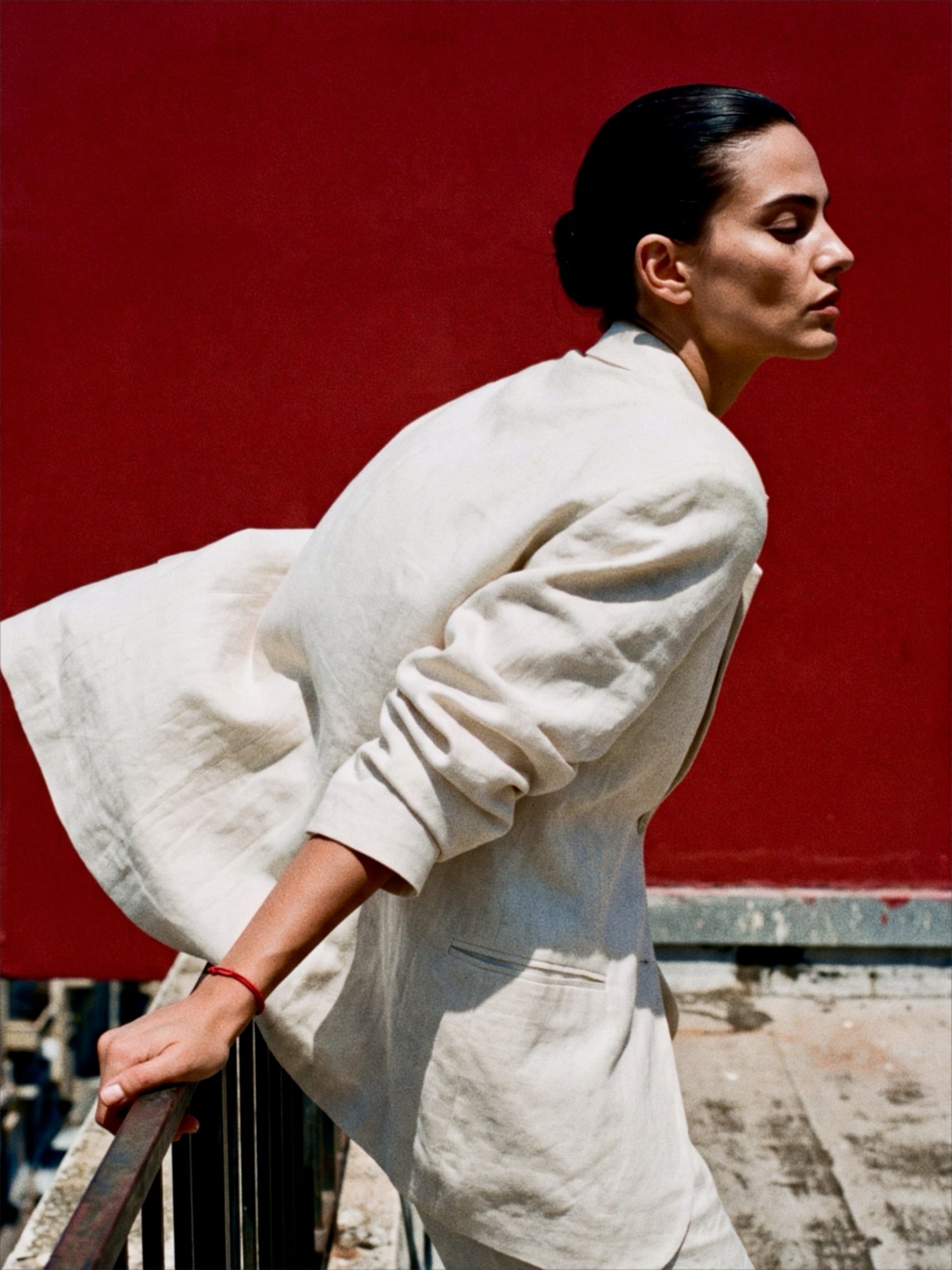
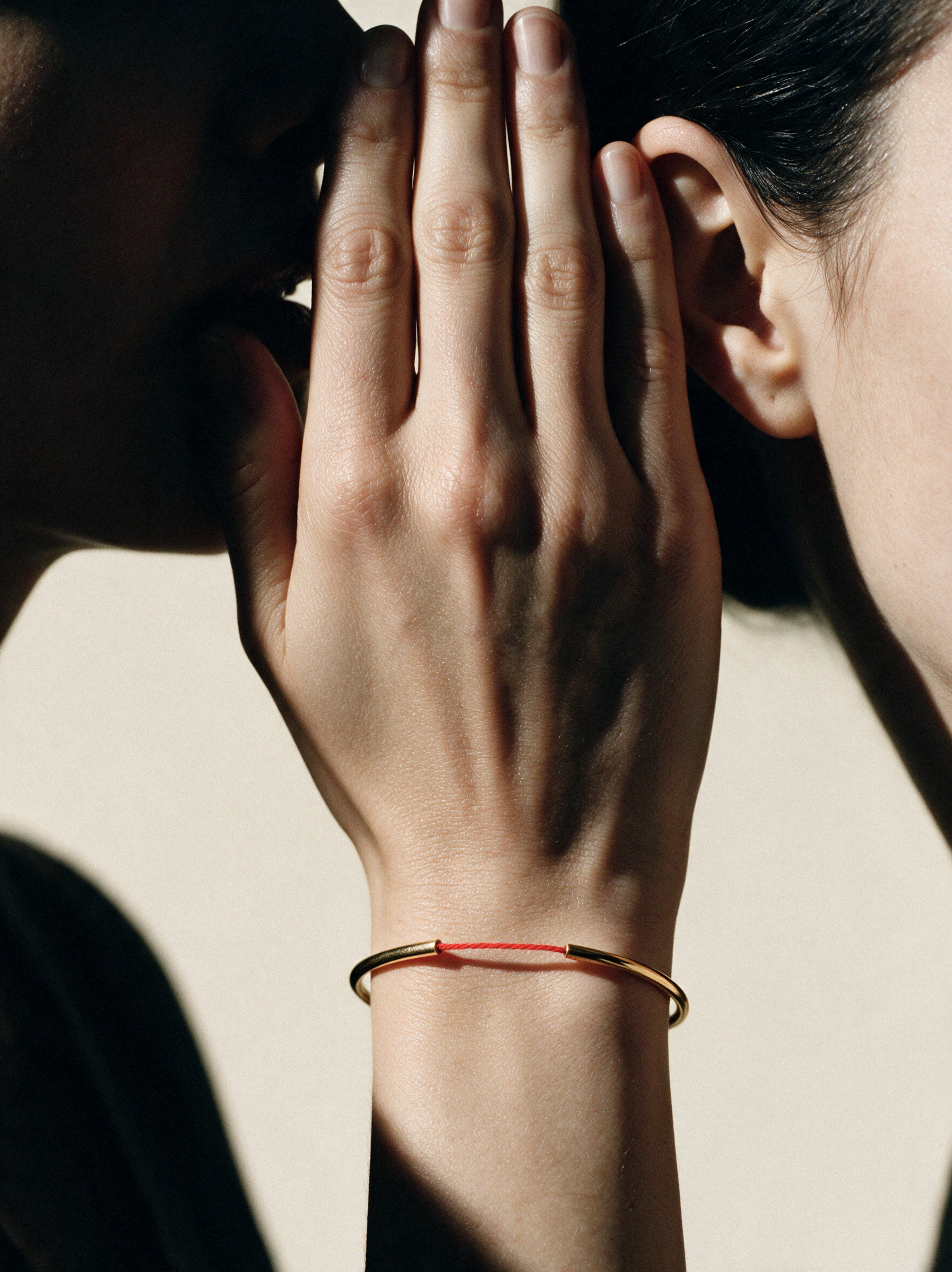
At Oriya, everything we make is built around a single red thread — a quiet reminder of connection, protection, and the people who hold us. It felt like the right season to say it out loud: you're not walking into this new year alone. You belong to something.
With love,
Rivkah